

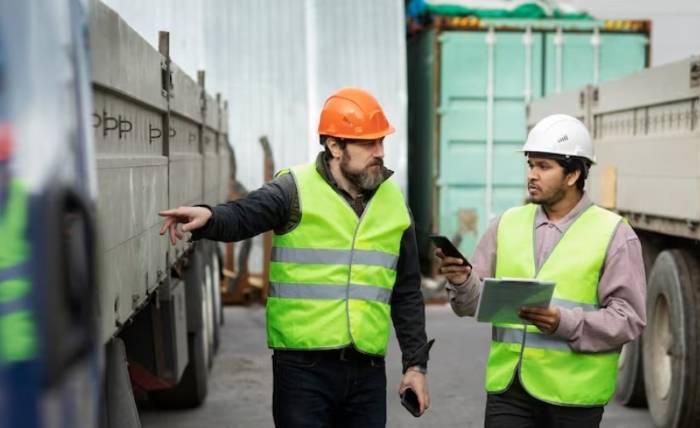
Every meal begins a journey long before it reaches a plate. From farms and processing plants to warehouses, trucks, and distribution centers, food moves through a complex network that must function with precision and care. At the center of this system is food-grade transportation, a critical yet often overlooked link that directly affects public health, consumer trust, and the stability of the global food supply.
When food transportation works well, it is invisible. Shelves are stocked, products are fresh, and safety concerns rarely cross the public’s mind. When it fails, the consequences can be swift and severe, ranging from widespread recalls to serious illness. As supply chains grow longer and more technologically advanced, ensuring safety and quality in food-grade transportation has become both more challenging and more essential.
The Critical Role of Food-Grade Transportation in Public Health
Food-grade transportation is not simply about moving goods from one place to another. It is about preserving the integrity of food at every stage of its journey. Temperature control, sanitation, handling practices, and documentation all play a role in determining whether food arrives safe to eat.
Understanding Food Safety Regulations
Food safety regulations exist to protect consumers from contamination and spoilage that can occur during transit. In many countries, regulatory agencies establish detailed standards governing vehicle design, cleanliness, temperature thresholds, and recordkeeping. These rules are particularly strict for perishable products such as meat, seafood, dairy, and prepared foods, which can quickly become hazardous if conditions are not properly maintained.
Temperature control is one of the most critical requirements. Refrigerated foods typically must be kept below specific thresholds to prevent bacterial growth, while frozen products must remain consistently frozen throughout transport. Even short deviations can compromise safety, especially if they go unnoticed or unreported.
Beyond temperature, regulations also address cross-contamination risks. Vehicles used for food transport must be constructed with food-safe materials and cleaned thoroughly between loads. Transporting food alongside non-food items, chemicals, or allergens without proper separation can introduce serious hazards.
For businesses, understanding and complying with these regulations is not optional. Violations can result in fines, product seizures, recalls, and long-term reputational damage. More importantly, lapses can put consumers at risk, which is why regulatory oversight continues to expand as supply chains become more complex.
Traceability and Transparency in the Supply Chain
Modern food safety standards increasingly emphasize traceability. Being able to track a product from its source to its final destination allows companies and regulators to respond quickly when problems arise. If contamination is detected, traceability systems help identify affected batches, limit the scope of recalls, and remove unsafe products from circulation faster.
In food-grade transportation, traceability depends on accurate documentation, digital tracking tools, and disciplined processes. Transport logs, temperature records, and delivery confirmations all contribute to a transparent chain of custody. As consumers become more aware of food origins and handling practices, this transparency also supports trust and brand credibility.
Lessons From Transportation Failures
Some of the most significant food safety incidents in recent history have highlighted weaknesses in transportation and logistics rather than production alone. These cases offer important lessons about why strict standards and oversight are necessary.
When Transportation Breakdowns Become Public Health Crises
Foodborne illness outbreaks often reveal how small failures can have large consequences. In several high-profile cases, investigations traced contamination back to lapses in sanitation or temperature control during transport. Inadequately cleaned vehicles, improperly monitored refrigeration systems, or delayed shipments created conditions where bacteria could thrive.
These incidents affected not only consumers but also farmers, processors, retailers, and transport providers. Entire product categories suffered reputational damage, even when only a small portion of the supply chain was responsible. The financial impact of recalls, lawsuits, and lost consumer confidence often far exceeded the cost of preventive measures.
Building a Culture of Prevention
One clear takeaway from past failures is that food safety cannot rely solely on rules and checklists. It requires a culture where every participant in the supply chain understands their role in protecting public health.
Training plays a central role. Drivers, warehouse staff, and logistics managers must be equipped to recognize risks, respond to alarms, and follow hygiene protocols consistently. Clear procedures for handling deviations, such as temperature excursions or equipment malfunctions, help prevent small issues from becoming major problems.
In this sense, food-grade transportation is as much about people as it is about equipment.
Technology Transforming Food-Grade Transportation
As food supply chains grow more complex, technology has become an indispensable tool for managing risk and improving efficiency. Innovations that once seemed optional are now rapidly becoming industry standards.
Real-Time Monitoring and Smart Logistics
The use of connected sensors has transformed how food is transported. Devices that monitor temperature, humidity, and location in real time provide continuous visibility into conditions inside trailers and containers. If temperatures drift outside acceptable ranges, alerts can be sent immediately, allowing corrective action before food quality is compromised.
These systems reduce reliance on manual checks and paper logs, which are prone to error or delay. They also create detailed digital records that support compliance audits and quality assurance reviews.
Artificial intelligence is adding another layer of sophistication. By analyzing historical data, AI tools can identify patterns that signal potential problems, such as equipment likely to fail or routes that consistently cause delays. Predictive maintenance reduces breakdowns, while smarter route planning improves delivery times and fuel efficiency.
Enhancing Transparency With Digital Records
Beyond monitoring, digital systems are improving transparency across the food-grade transportation network. Secure data platforms allow multiple stakeholders, including producers, transport providers, and retailers, to access shared information about shipment status and handling conditions.
This level of visibility supports faster decision-making and strengthens accountability. When everyone can see how food is being handled, there is less room for oversight gaps or miscommunication.
Temperature Control as a Cornerstone of Safety
Among all challenges in food-grade transportation, temperature management remains the most critical. Maintaining consistent conditions from loading to delivery is essential for both safety and quality.
Advances in Refrigeration and Insulation
Modern refrigerated vehicles are far more advanced than their predecessors. Multi-zone refrigeration systems allow different products to be transported together without compromising their specific temperature needs. Improved insulation materials help maintain stable conditions even during loading delays or long transit times.
Packaging technology has also evolved. Insulated containers, gel packs, and phase-change materials provide additional layers of protection, especially for high-value or highly sensitive products.
Data-Driven Accountability
Temperature loggers now record conditions throughout the journey, creating a verifiable history of compliance. These records are valuable not only for regulators but also for businesses seeking to demonstrate quality assurance to clients and consumers.
Mobile applications linked to monitoring systems allow operators to check conditions remotely, reducing response times and improving confidence that food is being transported safely.
Choosing the Right Food-Grade Transportation Partner
For food producers and distributors, selecting a transportation partner is a strategic decision that affects product quality, compliance, and brand reputation.
Evaluating Capabilities and Compliance
The first criterion should always be compliance with food safety standards. Transport companies should be able to demonstrate proper certifications, documented procedures, and a clear understanding of regulatory requirements.
Infrastructure matters as well. Temperature-controlled vehicles, clean storage facilities, and reliable monitoring systems indicate a serious commitment to food safety. Companies that invest in technology and training are better positioned to manage risk effectively.
Experience and Reliability
Experience in food-grade transportation is a strong indicator of competence. Companies that have operated successfully over time are more likely to have encountered and resolved a wide range of challenges, from weather disruptions to equipment failures.
Reputation also matters. References, case studies, and long-term client relationships provide insight into how a company performs under pressure. Reliable partners communicate clearly, respond quickly to issues, and prioritize transparency.
Collaboration as a Competitive Advantage
The best transportation partnerships are collaborative rather than transactional. When transport providers take time to understand specific product requirements and business priorities, they can tailor services that add value beyond basic delivery.
Open communication and shared expectations reduce misunderstandings and support continuous improvement across the supply chain.
Sustainability in Food-Grade Transportation
As concerns about climate change and environmental impact grow, sustainability has become a key consideration in food logistics.
Reducing the Carbon Footprint
Food-grade transportation contributes significantly to greenhouse gas emissions, particularly through fuel use. In response, many companies are adopting greener practices, including route optimization software that reduces unnecessary mileage and idle time.
Fleet upgrades are also playing a role. Electric and hybrid vehicles are gradually entering the food transport sector, especially for short-haul and urban routes. While adoption remains uneven, technological advances are making these options increasingly viable.
Packaging and Waste Reduction
Sustainability extends beyond vehicles. Reducing packaging waste and using recyclable or biodegradable materials can lower environmental impact throughout the supply chain. Efficient packaging also improves space utilization, allowing more product to be transported per trip.
These changes reflect a broader shift toward aligning efficiency with environmental responsibility.
Balancing Speed, Safety, and Sustainability
One of the ongoing challenges in food-grade transportation is balancing fast delivery with environmental goals. Perishable products often require rapid transit, which can conflict with fuel-saving strategies.
Companies addressing this challenge successfully tend to focus on system-wide improvements rather than isolated fixes. Collaboration with suppliers, investment in training, and continuous performance measurement help align efficiency, safety, and sustainability.
The Road Ahead for Food-Grade Transportation
The future of food-grade transportation will likely be shaped by continued technological integration, stricter regulatory oversight, and rising consumer expectations. Transparency, reliability, and sustainability are no longer optional features. They are becoming baseline requirements.
For businesses, investing in robust transportation practices is not just about avoiding problems. It is about building resilience in a supply chain that must operate flawlessly under increasing pressure. For consumers, it is about confidence that the food they purchase has been handled with care from start to finish.
Ensuring safety and quality in food-grade transportation ultimately protects more than products. It protects public health, supports trust in the food system, and reinforces the idea that how food travels matters just as much as where it comes from.
